
Why Silicone Roofing Often Fails And What Building Owners Should Know
Silicone roof coatings may seem cheap upfront but often fail quickly because once silicone cures, it can’t be reliably repaired. This leads to escalating leaks, costly patches, tenant issues, and eventual full replacement. More predictable, long lasting systems like vinyl, acrylic, and urethane offer easier maintenance and lower lifetime costs. The article urges owners to reevaluate failing silicone roofs and choose solutions that provide durability, predictable budgeting, and fewer surprises.

🔲 Silicone fixes fast but fails faster.
🔲 Predictable roofing beats surprise repair bills.
🔲 When nothing sticks to silicone, the costs do.
🔲 Switch once, save for decades.
If you manage or own a commercial building, you probably know the feeling. Another rainstorm, another leak, another call to a contractor who tells you your only options are patch it again or rip it all out.
It’s frustrating, expensive, and honestly, exhausting.
On this micro site Silicone Is Silly, and whether or not you agree with the name, we break down what actually happens to silicone roofing systems over time. The goal isn’t to shame anyone who chose silicone, it’s simply to give building owners the information no one shared with them early on.
The Truth About Silicone Roof Coatings
Silicone is often sold as an affordable, fast fix for commercial roof leaks. At first, it does seem like the right solution, quick installation, low upfront cost, and immediate leak control.
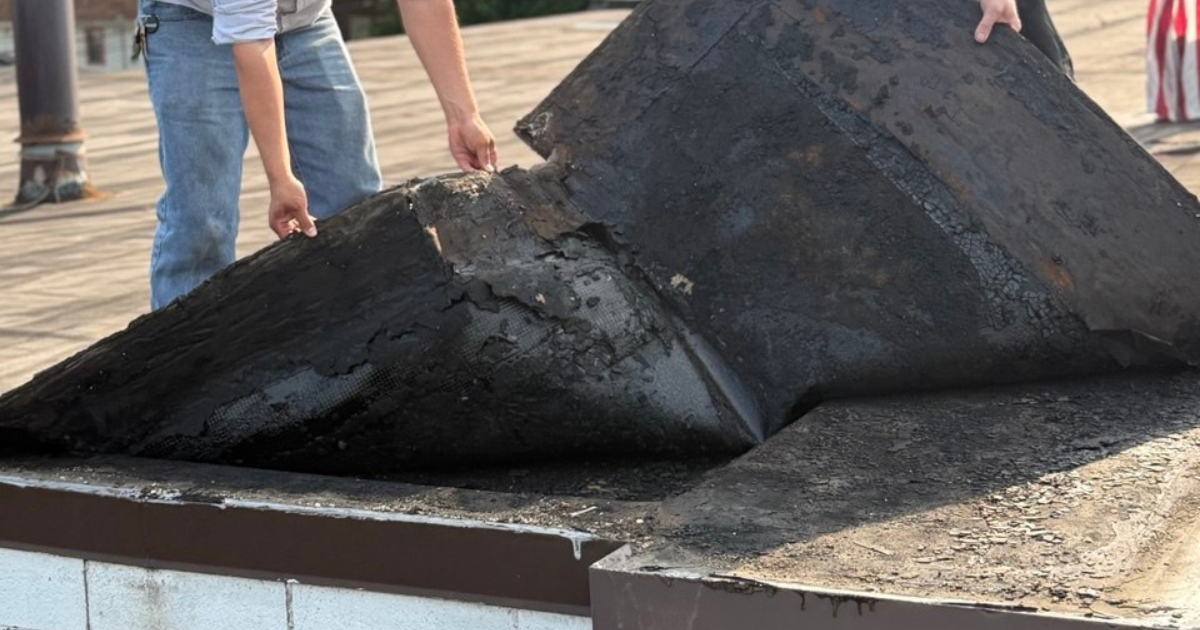
But silicone has one critical flaw, once silicone cures, nothing adheres to it.
Not more silicone. Not patches. Not upgrades. Nothing.
This is where problems begin.

As the coating weathers, splits, or blisters, repairs become harder and more expensive. Over time, the “cheap fix” becomes one of the costliest roofing decisions a building owner can make.
The Real Cost of Silicone Roof Repairs
Many building owners assume a silicone roof will last a decade with little maintenance, but real world costs tell a different story.
A typical five year cycle often includes $5,000 in patches the first year, $8,000 the second, $12,000 in repairs by year three, $15,000 plus tenant complaints in year four, and a major failure by year five, adding up to more than $40,000 before even paying for a full replacement.

In contrast, a truly maintainable roofing system offers long term predictability. About $65,000 upfront, roughly $500 per year for inspections in years two through five, a $5,000 recoat around year six to ten, and minimal maintenance for the next 15 years. Over 25 years, the total averages around $72,000.
The difference is simple. Silicone brings ongoing surprises, while a maintainable system delivers controlled costs, longevity, and peace of mind.
Why Silicone Roofing Fails
Silicone’s biggest weakness is its lack of adhesion, especially after it cures. When the coating splits or blisters, contractors often can’t repair it in a way that truly lasts. Many won’t even attempt it.
This leads to costly, disruptive real world problems. Emergency tarps after storms, buckets catching water in hallways, frustrated tenants complaining about leaks, staff relocated from wet work areas, and contractors ultimately recommending full removal.
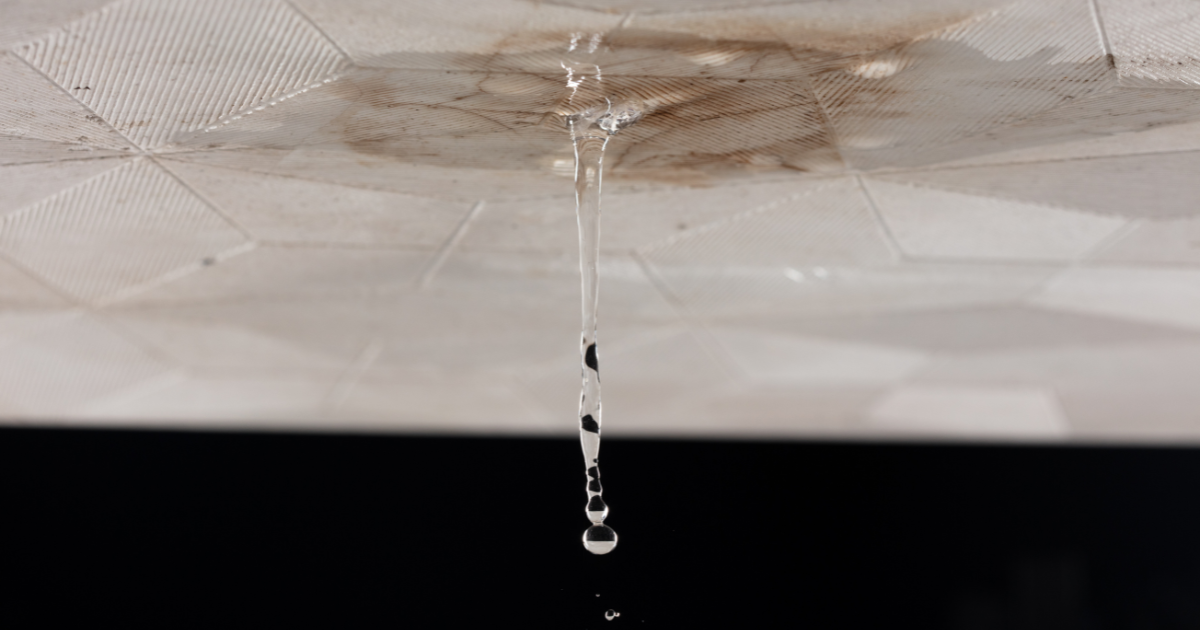
These issues don’t just create headaches, they cause business interruptions, safety concerns, and rapidly escalating expenses.
Better Commercial Roofing Options
We break down for you the popular roofing systems using simple, honest descriptions.
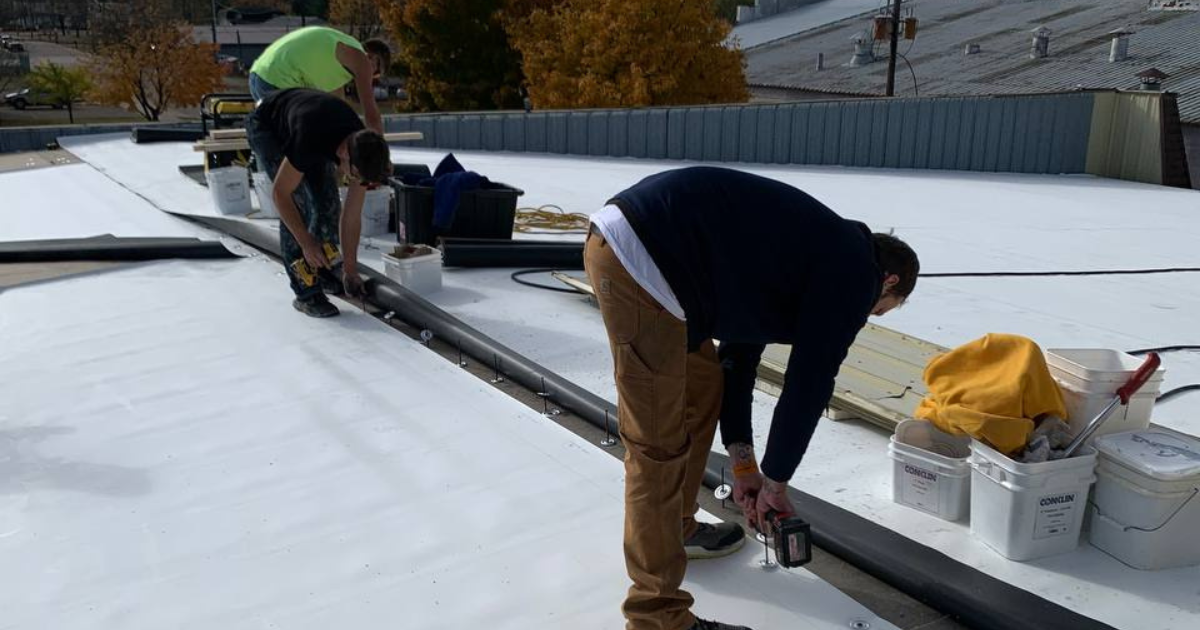
Predictable, maintainable roofing systems like vinyl, acrylic, and urethane offer long service life, strong adhesion, and easy, reliable repairs that keep long term costs under control.
Vinyl delivers dependable performance, acrylic is simple to maintain and recoat, and urethane provides excellent flexibility and adhesion.
In contrast, high risk options such as silicone, foam, and tar create uncertainty. Silicone becomes difficult to repair once cured, foam is heavy and expensive to remove while degrading faster than expected, and tar systems are outdated and labor intensive.
Finance teams prefer roofing solutions that offer consistency, and when maintenance costs are predictable and well documented, budgeting becomes far simpler and far more accurate.
The Problem With Spray Foam Roofing
This site also breaks down why spray foam, though excellent for insulation, can be a risky roofing choice.
Removal can cost $3 to $4 per square foot, it adds 2 to 3 pounds per square foot in weight, and visible degradation often starts as early as year two.

Many foam warranties are prorated, offering far less protection than owners expect. In short, foam may solve one problem but create several more.
How to Transition Away From a Failing Silicone Roof
If you’re considering replacing your silicone roof, the site walks you through a typical timeline.
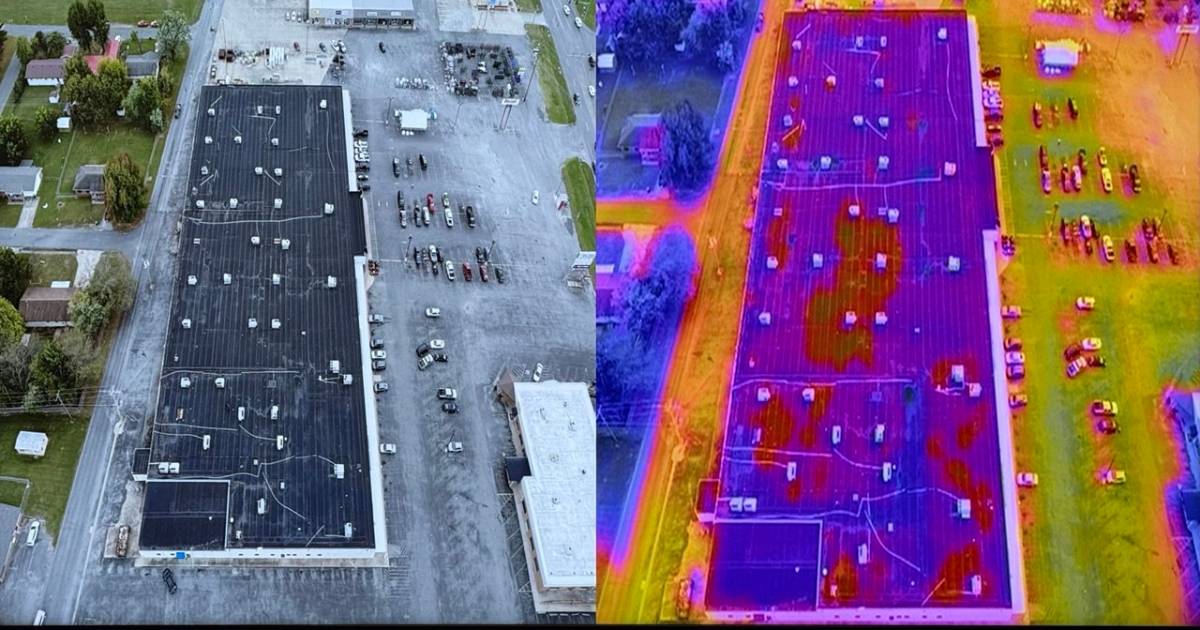
Week 1 includes a moisture scan and full roof evaluation. Week 2 focuses on reviewing options, insurance, and budgeting. Week 3 covers permits and materials and by Week 4, installation is underway.
In as little as a month, you could be finished with emergency patching for good. The site also highlights insights from building owners that reveal the true cost of delaying a replacement.
Insights From Real Building Owners
Today, 67% of buildings choose vinyl or acrylic systems, owners report an average of $27,000 wasted on patches before switching, 94% say they wish they had switched sooner, and silicone systems fail on average in just 3.2 years.
Together, these numbers show a clear pattern. What starts as a series of small fixes can quickly become long term, expensive problems.
Why This Perspective Matters
What sets this site apart is its tone. Respectful, factual, and realistic.
“Pride is about who is right. Humility is about what is right.”
We acknowledge most owners chose silicone for good reasons, budget, timing, immediate needs. Now, it’s about making the next best decision with better information.

Cut Costs, Reduce Surprises
Silicone isn’t always the wrong choice but it’s rarely the long term solution owners hope for.
If you’re dealing with frequent leaks, rising repair bills, mixed contractor opinions, frustrated tenants, or a maintenance budget that keeps growing, it may be time to explore alternatives.
The calculators and guides on this site use current, quarterly updated market costs, giving you real numbers instead of guesswork.
Sometimes the smartest move is simply admitting a system isn’t working. And when it comes to commercial roofing, predictability is everything.
Ready to break the cycle of patches and unexpected costs? Explore your roofing options, compare real numbers, and see which systems offer long term stability. A smarter, more predictable roof is just a few clicks away. Start your evaluation today.
We Love Conversations
 SoHelpful@PristineIndustrialRoofing.com